Why Open Studios Still Matter in Jamaica
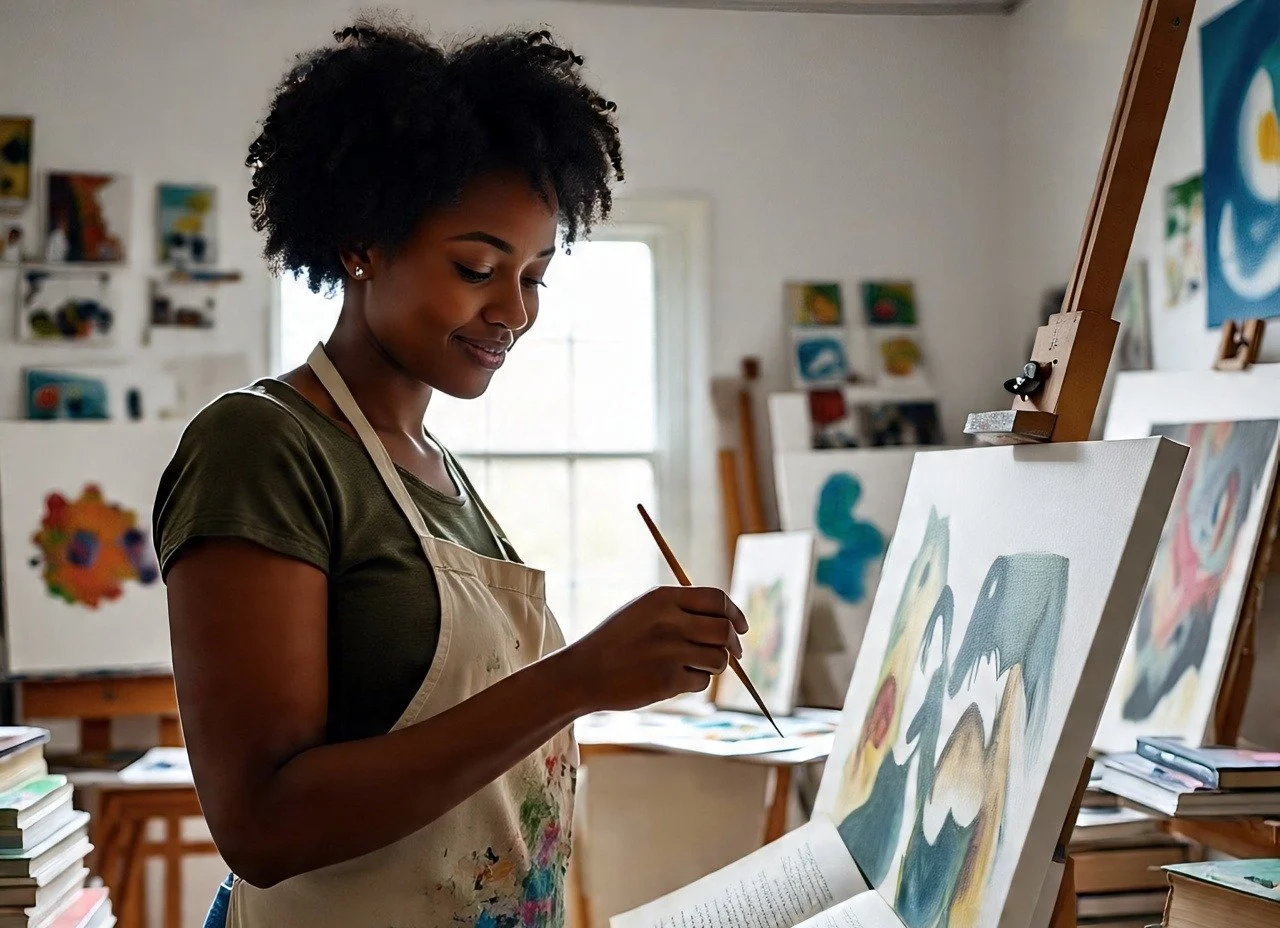
A few weekends ago, I had the pleasure of attending a small but deeply engaging Open Studio gathering in an office space complex in Richmond Park (St. Andrew, Jamaica), hosted by artists Camille Chedda and Phillip Thomas. What unfolded was not simply a social activation, but a reminder of how powerful — and necessary — direct, human-centred engagement between artists and audiences can be.
The studios – Chedda on the ground floor and Thomas upstairs - were transformed into intimate, welcoming spaces: conversations flowed easily, refreshments were shared, and visitors were invited not just to observe, but to enter the artists’ creative environments. The artists collaborated with the phenomenal pianist Steven Shaw-Naar, who filled the space with music, a key creative element, especially for Thomas.
It was a setting that encouraged genuine dialogue - about process, intention, challenges, and the realities of sustaining creative practice.
It immediately took me back to the Open Studio events that once formed part of the Kingston on the Edge Arts Festivals of blessed memory. Those gatherings — whether in private residences, shared studios, or makeshift creative spaces — were lively, personal, and deeply informative for those of us seeking to understand and support contemporary Jamaican art. Over time, however, many of these opportunities have quietly dwindled.
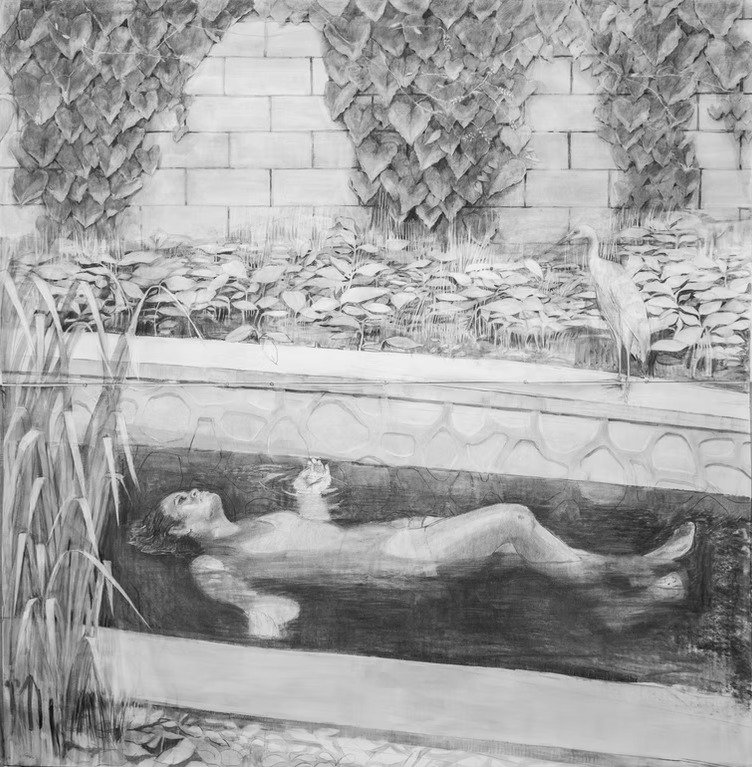
A charcoal drawing by Jamaican artist Camille Chedda. Image courtesy of the artist.
Today, our primary engagement with artists happens through social media and exhibition programming. While both are valuable, they cannot fully replace the authenticity that comes from encountering an artist within their own working environment. Unlike a gallery setting, the studio allows artists to frame their practice on their own terms. It creates a space where conversation can be unhurried, questions can be asked freely, and relationships can begin to form organically.
It is important to acknowledge, however, that this spirit of studio-based engagement has not disappeared entirely. Collectives and creative hubs such as NLS on Mountain View Avenue and Kingston Creative in Downtown Kingston, continue to facilitate meaningful points of access between artists and audiences through open studios, workshops, and community programming. There are also a handful of individual artists who have been consistently creating opportunities for studio-based engagements, whether for free or as paid events. Their work demonstrates that these models are not only possible, but impactful.
Open Studios also offer important strategic value. They foster community relations, support networking with potential buyers, curators, collaborators, and cultural stakeholders, and help build the kinds of human connections that are essential for sustaining creative practice — not only emotionally, but economically. Importantly, they also allow artists to better understand the audiences who are genuinely interested in and supportive of their work.
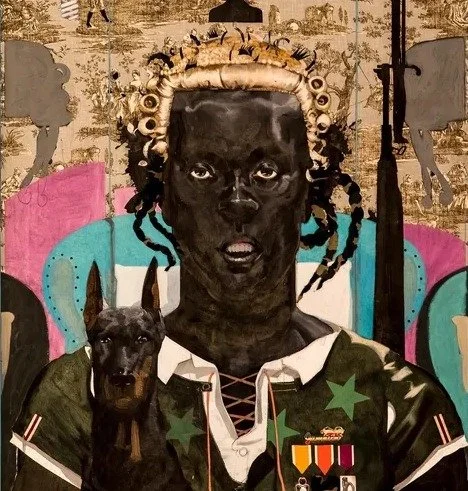
Detail of mixed media painting "If I Must Die" (2019) by Jamaican artist Phillip Thompson. Image courtesy of Artsy
Of course, there are real challenges about coordinating studio-based engagements within the Jamaican context. Hosting Open Studios requires physical space, resources, and a certain level of financial capacity. Depending on the scale and ambition of the engagement, this can range from providing simple refreshments and managing basic logistics for a handful of visitors, to coordinating more complex events for upwards of fifty attendees.
Many Jamaican artists do not own their own properties. Their living spaces often double as “studios” — bedrooms, kitchen tables, improvised corners — environments that are simply not conducive to hosting public engagements. As one attendee at the gathering I went to observed, opening these makeshift spaces to visitors force artists to blur the line between professional practice and private life, a boundary that can understandably feel uncomfortable and vulnerable.
These realities deserve thoughtful consideration.
Still, Saturday’s experience reaffirmed something essential for me: Open Studios are not simply “events.” They are relationship-building platforms, economic bridges, and cultural touchpoints that strengthen the ecosystem around artists. I felt very grateful for the invitation to visit and engage with Camille and Phillip at their studios and pleased with their ability to rent these spaces as investments in their practice. You can also visit their websites, listed here:
Camille Chedda - https://www.camillechedda.com/
Phillip Thomas - https://rjdgallery.com/artist/phillip-thomas/
I would love to learn more about other collectives, spaces, and initiatives across Jamaica that are also creating opportunities for this kind of direct engagement. If you know of any, please share - the more we highlight and support these efforts, the stronger the Jamaican creative ecosystem becomes.
What do you think?
